Will people help you find your train—or ask for a selfie before you get there? For some foreign visitors, both happen. A useful guide to social encounters in China needs to explain the awkward moments as well as the pleasant ones.

This article addresses how visitors may be treated in everyday interactions. It is not a complete assessment of crime, legal or health risks.
1. Friendly encounters are real. So are awkward ones.
A Black British traveler who spent a month in Beijing described people who spoke to her as generally friendly and willing to communicate. She also reported staring, a photo request and moments of discomfort. Her account is one person's experience, not a survey. [1]
For a traveler, those details are more useful than either “everyone is welcoming” or “everyone is hostile.” Helpful behavior and unfamiliar attention can appear on the same trip.

2. Is staring curiosity—or racism?
You cannot reliably tell from a glance. Watch what happens next.
| Situation | Practical interpretation |
|---|---|
| Someone looks, smiles or waves, then carries on | That alone is insufficient evidence of hostility. |
| Someone asks for a photo and accepts your refusal | You can decline without treating the request as an insult. |
| Someone keeps filming after you say no | Whatever their intention, they are ignoring your boundary. |
| Someone uses a racial slur or explicitly treats you worse because of race | This is discrimination, not merely cultural curiosity. |
A visitor can find staring unpleasant even when no insult is intended. You do not need to agree to a photograph to be polite.

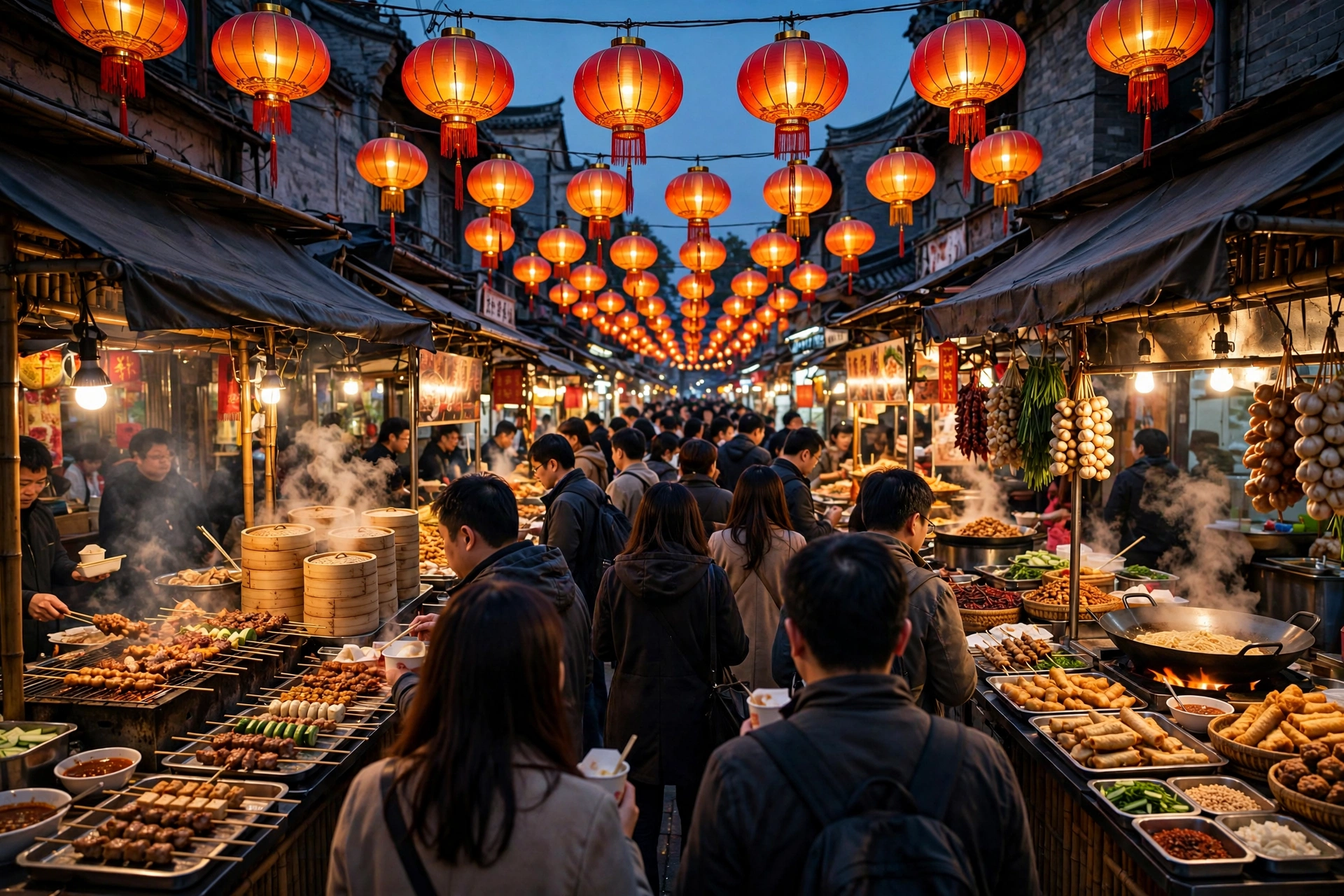
3. Why might someone go out of their way to help?
Possible reasons include courtesy toward a guest, interest in another country, a chance to practice English, or simply noticing that you need assistance. Hospitality is a useful cultural lens, but it cannot explain every individual's behavior.
One encounter does not tell you that someone prefers foreigners, considers imported products superior, or was taught to admire a particular nationality. Those explanations require evidence beyond the interaction itself.
A 2024 China Today report includes photographs of foreign visitors taking a selfie with a local man and experiencing traditional culture. They illustrate individual encounters, rather than a nationwide measure of friendliness. [3]
4. Online racism and a friendly trip can both exist
Human Rights Watch documented anti-Black content on Chinese social media in a 2023 investigation. It is evidence of online racism, not a statistical forecast of a tourist's daily encounters. [2]
The Beijing traveler also explicitly acknowledged that others had experienced racism. Her positive account did not claim that discrimination was absent. [1]
Nationality is not the same as race, and visitors from the same country may be treated differently. A white visitor's positive experience cannot establish what a Black visitor will experience, or vice versa.

5. Three phrases worth saving
No photos, please.
请不要拍照,谢谢。
qǐng bú yào pāi zhào, xiè xie
Please stop filming me.
请不要再拍我了。
qǐng bú yào zài pāi wǒ le
Could you help me?
可以帮我一下吗?
kě yǐ bāng wǒ yí xià ma
Pinyin below uses standard tone marks. Tap Play Chinese to hear the Mandarin pronunciation. Tap the same button again to stop.
If attention becomes persistent, move away or ask staff at your hotel, station or venue for help. If a service provider discriminates against you, record the time, place and what was said when it is safe to do so, then contact the provider's support team. Avoid escalating a confrontation with a stranger.
If you face clear discrimination, take these steps: leave the situation if you feel unsafe, note the time, place and what happened, and use official channels — 12315 for consumer disputes, 110 for emergencies. Keep any receipts, booking confirmations or screenshots; they make complaints far more effective. You can also report serious incidents to your country's embassy or consulate in China.
Before departure, check entry requirements, local laws, health needs and current travel advice separately. People's friendliness is not a substitute for those checks.
Sources and image credits
- My Month in China as a Black Girl — first-person travel account published on Reddit (r/blacktravel); not a representative survey.
- Human Rights Watch: China: Combat Anti-Black Racism on Social Media, 16 August 2023.
- China Today: “China Travel” 热潮来袭, 1 August 2024. Historical reporting, not current entry-policy guidance.
Photographs are licensed separately under CC BY-SA 3.0, with author, date and source credited in each caption. They illustrate locations and activities, not individual incidents or current population-wide attitudes.
Find practical tools for the next part of your trip.